Make the Most of Your Lloydminster Farmers Market Finds

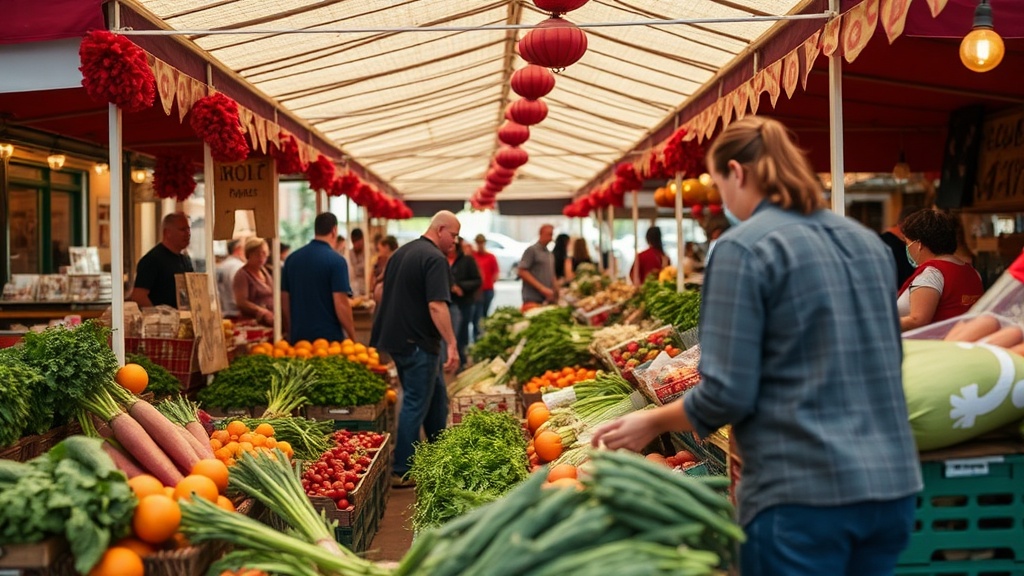
A shopper stands in front of a vegetable stall, staring at a pile of heirloom tomatoes, wondering if they're actually worth the extra two dollars compared to the grocery store. They hesitate, then realize they have no idea how to actually use them in a recipe. This is the missed opportunity at the Lloydminster Farmers Market. This post explains how to shop smart, what to look for in seasonal Alberta produce, and how to ensure your local purchases don't just sit in the fridge until they spoil.
The Lloydminster Farmers Market isn't just a place to grab a coffee and a pastry. It's a way to get high-quality, seasonal goods directly from producers in the Alberta border region. If you go in without a plan, you'll likely end up with a bag of things you won't use. If you go in with a strategy, you'll eat better than you ever have.
What is the best time to visit the Lloydminster Farmers Market?
The best time to visit is during the first two hours of the market opening to secure the freshest seasonal items and the most popular artisanal goods. Most vendors arrive early to set up, and the most sought-after items—like specific berry varieties or fresh-baked sourdough—tend to sell out fast. If you're looking for the widest selection of produce, aim for the early morning window.
There is a certain rhythm to the market. If you arrive too early, you might find vendors still unboxing their stock. If you arrive too late, you'll be left with the "leftovers" (which, to be fair, can still be great, but the selection is thinner). I've noticed that the most social atmosphere happens around mid-morning, but the serious shoppers are out the door by 10:00 AM.
Keep in mind that weather in Lloydminster can be unpredictable. Even in the warmer months, an Alberta breeze can feel chilly. Bring a light jacket and a reusable bag or two. You'll thank yourself when you aren't struggling to carry three heavy bags of potatoes and a loaf of bread in one hand.
How much should I expect to pay for local produce?
Expect to pay a slight premium for local produce compared to big-box retailers, but you are paying for freshness, quality, and supporting the local economy. While a head of lettuce might be cheaper at a massive supermarket chain, the nutritional density and flavor of locally grown greens are often significantly higher.
It helps to look at the value through a different lens. When you buy from a local vendor, you aren't just buying a product; you're investing in the community. It's a way to support local businesses that define our community. Here is a rough breakdown of how local pricing usually compares to standard retail:
| Product Type | Local Market Vibe | Standard Grocery Vibe | Why the Difference? |
|---|---|---|---|
| Seasonal Berries | Peak freshness, high flavor | Often shipped from far away | Local berries are picked at ripeness. |
| Artisan Bread | Small batch, fresh ingredients | Mass-produced, preservatives | No preservatives used in local loaves. |
| Organic Eggs | Pasture-raised, high yolk color | Standard industrial farming | Better feed leads to better nutrition. |
Don't be afraid to ask vendors about their growing methods. If someone is selling organic vegetables, they should be able to tell you exactly how they were grown. Knowledge is power—especially when you're trying to decide if that organic honey is worth the extra bit of cash.
One thing to watch out for is the "impulse buy" trap. It's easy to see a beautiful jar of local jam and think, I absolutely need this right now. It's tempting, but try to stick to a list. You can always come back next week if the vendor is a regular.
How do I pick the best seasonal items?
To pick the best items, look for vibrant colors, firm textures, and seasonal scents. For example, when buying berries, they should be uniform in color and not bruised. If you're buying root vegetables, ensure they are firm and free of soft spots or sprouts.
Understanding seasonality is the secret to successful shopping. In Alberta, we have distinct seasons, and our food follows them. You shouldn't be looking for fresh peaches in the middle of a Lloydminster January. Instead, lean into what the land is offering right now. This is a great way to find your new favorite local flavor.
- Spring: Focus on hardy greens, ramps, and early sprouts.
- Summer: This is the time for berries, stone fruits, and summer squash.
- Fall: Look for heavy hitters like pumpkins, squash, and root vegetables.
- Winter: Focus on preserved goods, honey, and pantry staples.
A pro tip: always check the bottom of the container. People often pile fruit on top, and the weight can bruise the fruit underneath. If you see a dent in a strawberry, leave it. It might look okay, but it won't last long in your fridge.
If you're unsure about a specific product, ask the vendor. Most people selling at the market are passionate about what they do. They aren't just selling a commodity; they are sharing their craft. They are usually more than happy to explain the difference between two types of kale or why one variety of apple is better for baking.
What are the best ways to store my market finds?
Store your items based on their specific needs to ensure they last as long as possible. Most leafy greens should be kept in the crisper drawer of your refrigerator, while certain vegetables like onions and potatoes prefer a cool, dark, and dry pantry.
The biggest mistake people make is treating all produce the same. You wouldn't leave a ripe peach on the counter and then stick it in the fridge, right? The temperature shock can actually ruin the texture. Here is a quick guide to storage:
- Leafy Greens: Wash them, pat them dry, and store in a container with a damp paper towel.
- Berries: Keep them in the fridge, but don't wash them until you're ready to eat them (moisture is the enemy of a berry).
- Root Vegetables: Keep them in a dark place. Light makes potatoes turn green and bitter.
- Bread: Most artisanal breads are better kept on the counter in a paper bag rather than the fridge, which can actually dry them out.
If you've bought a lot of fresh produce, don't let it go to waste. If you see your greens starting to wilt, a quick soak in ice water can sometimes revive them. If your berries are getting soft, it might be time to turn them into a jam or a smoothie. Don't let that money go down the drain.
It's worth noting that many local products, like honey or dried goods, have much longer shelf lives. If you find a high-quality local honey, buy it. It's a pantry staple that will last much longer than the seasonal fruit. It's a solid investment for your kitchen.
The Lloydminster Farmers Market is a unique part of our local culture. It's a place where you can slow down and actually see where your food comes from. Whether you're looking for a specific ingredient for a recipe or just want to support a neighbor, the effort you put into your shopping trip will pay off in the quality of your meals. Just remember to bring a list, arrive early, and don't be afraid to ask questions.
Steps
- 1
Arrive Early for the Best Selection
- 2
Ask Vendors About Seasonal Rotations
- 3
Bring Reusable Bags for Easy Transport
- 4
Check for Small-Batch Artisan Goods